







Search Results for: Fermentation Control
A Complete Guide to Anaerobic Fermentation of Coffee Beans: Processing Fundamentals, Six Key Control Factors, and Practices for Quality Consistency
Fermentation is a core step in coffee processing that shapes flavor direction. It is driven by microorganisms such as yeasts and bacteria, which convert sugars and acids within the coffee cherry into acids and alcohols. Good, controlled fermentation can highlight a coffee's varietal characteristics, while uncontrolled fermentation may bring negative flavors reminiscent of spoilage and spoiled wine. Starting from the basic principles of fermentation, this article sorts out the differences between the two pathways—aerobic and anaerobic—and, around six major factors—coffee cherry quality, cleanliness, oxygen, microorganism and yeast types, time and temperature, and data recording—explains how to improve the consistency and repeatability of fermentation. It also emphasizes that coffee quality is largely fixed during the growth stage, and the role of fermentation is to extract and preserve excellent characteristics rather than to elevate quality out of thin air. The article also introduces Front Street Coffee's ongoing attention to knowledge related to fermentation and processing methods, for the reference of coffee enthusiasts. [more…]
Front Street Colombia Red Wine Processing Method Explained: Key Points of Red Honey, Natural, and Washed Processing and Fermentation Control
This article focuses on a Colombian red wine process coffee bean launched by Front Street Coffee, providing a detailed introduction to its complete process from depulping and washing to 20.6 hours of fermentation in a no-water fermentation tank and then 10 days of sun drying on raised beds, and sorting out core information such as producing region, estate, altitude, bean variety, and cupping. It also compares the flavor differences between acetic acid fermentation and lactic acid fermentation, explains the distinction between traditional manual operation and controllable fermentation methods in terms of quality stability, and offers grinding size recommendations using the Yangjia Little Pegasus grinder as a reference, so coffee enthusiasts can adjust flexibly according to actual brewing conditions. [more…]
How Black Tea Fermentation Produces Floral and Fruity Aromas and the Key Points of Humidity Control for Theaflavin Accumulation
The quality of black tea depends to a large extent on whether the fermentation stage is precisely controlled. Properly fermented black tea has a sweet aroma, a yellowish-red liquor, and a bright orange-brown infused leaf; failed fermentation reveals sourness or mustiness, a dark brown liquor, and a deep black infused leaf. Starting from the formation mechanisms of theaflavins and thearubigins, this article explains the origin of the floral and fruity aroma of black tea, clarifies how humidity and degree of oxidation influence the direction of flavor, and points out which subtle deviations in the irreversible chain of polyphenols → theaflavins → thearubigins can lead to a decline in quality. At the same time, the article also provides practical methods for judging fermentation results by observing the liquor color and infused leaf, helping coffee and tea enthusiasts understand the craft logic behind a good cup of black tea. In its black tea selection and brewing recommendations, Front Street Coffee also often emphasizes the decisive role of fermentation degree in aroma expression. [more…]
Front Street Colombia Wine Process Coffee Beans: A Complete Guide to Flavor Characteristics, Grind Parameters, and Cloud Estate Origins
In recent years, red wine processing has attracted much attention in the specialty coffee world. Drawing on the fermentation control concepts used in winemaking, it intervenes in pH, temperature, humidity, and microbial conditions to give coffee beans a rich acidity and complex aroma reminiscent of red wine. This article will start with the flavor differences between lactic acid fermentation and acetic acid fermentation, outline the specific operational process of red wine processing, and combine it with the origin information of Front Street Colombia Red Wine Process—the eastern slopes of the Andes in Cundinamarca Department, a growing altitude of 1,800 to 2,000 meters, and the anaerobic fermentation practice of Remi Sultan in sealed metal containers—to provide coffee lovers with a complete set of flavor descriptions and grinding setting references. [more…]
The Complete Process of Washed Yunnan Arabica Coffee: From Harvesting to Fermentation and Mucilage Removal—Processing Characteristics and Flavor Impact
As the coffee harvest season draws to a close, this article systematically reviews the wet processing steps after picking in Yunnan. From floating the fresh cherries in water and removing the pulp, to the crucial demucilaging and fermentation stages, it breaks down the practical operations and quality control points of washed processing step by step. Fermentation time fluctuates between 6 and 72 hours, affected by temperature, the amount of mucilage, and enzyme concentration; seizing the right moment to end it directly determines the direction of the coffee's flavor. The article also explains the negative effects of under-fermentation or over-fermentation on coffee quality, as well as the moderating effect of the soaking step on bitterness, helping coffee lovers understand the craft logic and flavor formation behind the washed processing of Yunnan Arabica coffee. [more…]

A Complete Guide to Anaerobic Coffee Processing: Key Differences from Traditional Natural and Washed Methods and Flavor Expression
Anaerobic coffee has been appearing on coffee bean lists frequently in recent years. Although many people have tried it, they only have a vague understanding of its specific process, and some even develop an aversion to it due to unfamiliarity. In fact, anaerobic processing is not as complicated as imagined. In most cases, it simply adds an extra anaerobic fermentation step before traditional natural or washed processing. The depth of fermentation is precisely the key that determines the direction of coffee flavor. From the perspective of Front Street, this article sorts out the basic principles of anaerobic processing, common methods, and their connection with traditional processing. Combined with three specific beans, it helps readers understand the flavor differences brought by different anaerobic treatments, so they can find the cup that suits their taste. [more…]

Complete Guide to Cold Brew Coffee Making: Standard Steps, Flow Rate Control, and Time Explained
Cold drip coffee, with its lengthy brewing process and unique layers of flavor, has always been a topic of interest among coffee enthusiasts. Completely different from cold brew, cold drip requires specialized equipment, precise control of the water drip rate, and subsequent fermentation and aging. This article will analyze in detail the standard steps for making cold drip coffee from four dimensions—grind size, drip speed, extraction ratio, and aging time—and answer the common question of "how long does it actually take to make a cup of cold drip?" At the same time, the article also compiles Front Street Coffee's practical experience and parameter recommendations in cold drip production, helping you understand the complete process of this low-temperature drip coffee in a more systematic way. [more…]
The Flavor Alchemy of Processing Methods: A Craft Revolution from Washed to Anaerobic
From the same estate, the same variety, and the same harvested batch of coffee cherries, the flavor in the cup can be as different as two distinct beans—simply because of a different processing method. This is the magic of coffee processing. In the microscopic world, it uses microorganisms and time to perform the alchemy of flavor. The washed method is the oldest mainstream technique, and its logic is "to do [more…]

A Complete Guide to Colombian Coffee Bean Flavors: Castillo, Caturra Characteristics and Main Processing Methods Compared
Colombia is located in the northwest of South America, with a mild and humid climate that provides an ideal growing environment for coffee trees and has shaped the balanced, elegant style of local coffee. This article will explore the flavor characteristics and processing methods of Colombian coffee beans, focusing on the flavor differences between Front Street Coffee's Sidra and Front Street Coffee's Ombligon, and reviewing how washed, semi-washed, and anaerobic fermentation processes affect coffee performance. At the same time, the article will also share Front Street Coffee's Colombian coffee brewing parameters and techniques to help coffee lovers more fully understand this producing country known as the "coffee gentleman." [more…]
From Natural to Washed to Honey Processing: The Fermentation Principles Behind Coffee Processing Methods and Their Flavor Impact
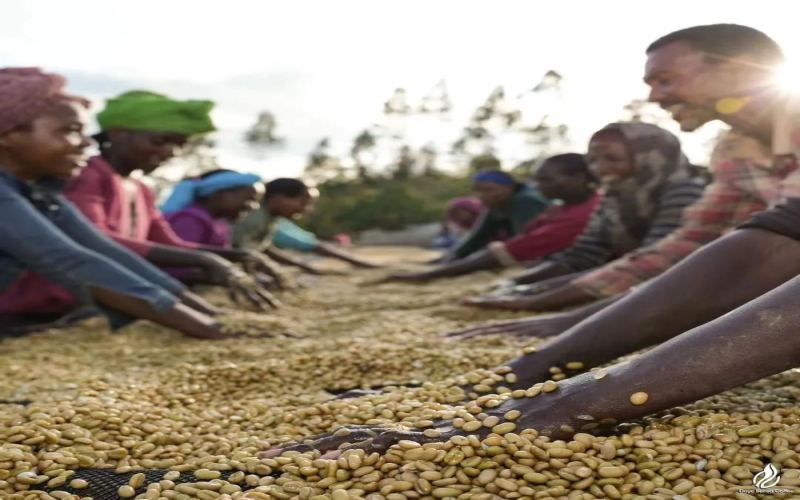
Many people assume that only special processes like anaerobic fermentation involve fermentation, but in reality, conventional methods such as natural, washed, and honey processing are equally dependent on fermentation. Fermentation is the process by which microorganisms break down sugars and produce heat and compounds in the presence or absence of oxygen. Coffee cherries are rich in moisture and sugars, so fermentation begins the moment they are picked. Different processing methods correspond to aerobic or anaerobic fermentation pathways, and the duration and intensity of fermentation directly shape the flavor profile of the coffee—prolonged fermentation brings rich layers of dried fruit and fruit preserves, while short fermentation yields bright acidity and a clean mouthfeel. Properly controlled fermentation enhances quality, but once it becomes unbalanced, it produces irreversible negative flavors such as moldiness and rotten fruit. [more…]
A Complete Guide to Colombia Wine Process Coffee: From Fermentation Principles to Front Street Coffee Jiu Kui Brewing Instructions
The red wine process is an innovative green bean processing technique originating from Colombia that precisely shapes the acidity and sweetness of coffee through artificially controlled fermentation conditions. This article provides a detailed overview of the historical background, scientific principles, and specific operational procedures of this processing method, and takes an in-depth look at the origin information, flavor characteristics, and pour-over recommendations of Front Street Coffee's Colombia Nine Suns Red Wine Process coffee. Whether you want to understand the difference between acetic acid fermentation and lactic acid fermentation, or you are looking for a bean with prominent sweetness and elegant acidity, this content offers practical reference. [more…]
Kenyan Coffee Double Washed Process Explained: The Flavor Code from SL28/SL34 Varieties to AA Grading
Kenyan coffee, with its distinct fruity notes and bright acidity, has long been one of the most sought-after origins in the specialty coffee world. Front Street Coffee's Kenyan coffee is a particular favorite among acidity-loving enthusiasts; behind its alluring flavor lie not only the inherent advantages of high-altitude growing conditions and the SL28/SL34 varieties, but also Kenya's unique double washed processing method. This article begins with the historical origins of Front Street Coffee's Kenyan coffee, then outlines the evolution of Kenyan coffee varieties, the specific process and timing control of double fermentation washing, and explains the Kenya AA grading standard. Finally, it includes Front Street Coffee baristas' hot pour-over brewing parameters and flavor descriptions, giving you a comprehensive understanding of why Front Street Coffee's Kenyan coffee is so captivating. [more…]
Analysis of Coffee Bean Fermentation Principles and Processing Techniques: From Microbial Reactions to the Key to Flavor Consistency
Fermentation plays an irreplaceable role in coffee processing, directly influencing the final flavor profile and sensory quality of the coffee. How sugars and acids break down under controlled conditions, how microorganisms participate in the process, and why fermentation consistency matters so much for market partnerships—these are all key to understanding coffee quality. Drawing on the hands-on experience of Finca Black Mountain in Guatemala and Capricornio Coffee in Brazil, and incorporating the research perspective of agricultural engineering PhD Mauricio Villegas, this article systematically examines the mechanisms of coffee fermentation, common misconceptions, and methods for achieving reproducibility. Whether you are a coffee professional or a devoted enthusiast, you will gain a clear understanding of the relationship between fermentation and coffee quality. [more…]

Anaerobic Fermentation and Red Wine Processing: The Principles, Evolution, and Front Street Brewing Practices of Specialty Coffee Bean Processing Methods
In recent years, anaerobic fermentation and red wine processing methods have continued to gain popularity in the specialty coffee world. From the promotion by 2015 WBC champion Sasa Sestic to the early explorations of Costa Rican coffee farmers, these processing techniques, which draw on winemaking ideas, have brought coffee rich flavors such as strawberry jam, fermented wine aromas, and tropical fruits. This article systematically reviews the scientific principles of anaerobic fermentation, its essential differences from traditional processing methods, and the specific operational workflow of carbonic maceration. It also combines two representative beans from Front Street Coffee—Colombia Flower Moon Night and Panama Hartmann—to share roasting and brewing parameters, helping coffee lovers gain a deeper understanding of the core logic of this special processing method. [more…]
Enzymatic Anaerobic Processing Explained: Flavor Differences Between Colombian Anaerobic and Wine Barrel–Processed Coffee Beans
In recent years, the specialty coffee world has continuously introduced new post-harvest processing methods, and enzyme anaerobic processing is one that has attracted considerable attention. This article starts with two approaches—Colombian anaerobic processing and wine barrel processing—to explain in detail their process flows, fermentation temperature control, and differences in yeast strains, and further explores how knowledge of beer yeast inspires coffee fermentation. The article also covers actual cases of 90+ global online auction lots, as well as Front Street Coffee's observations on post-harvest processing trends, helping coffee enthusiasts understand how different fermentation methods shape the diversity of coffee flavors. [more…]
Cold Brew Coffee Making Guide: A Detailed Explanation of 6 Key Steps and Parameters from Bean Selection to Drip Filtration
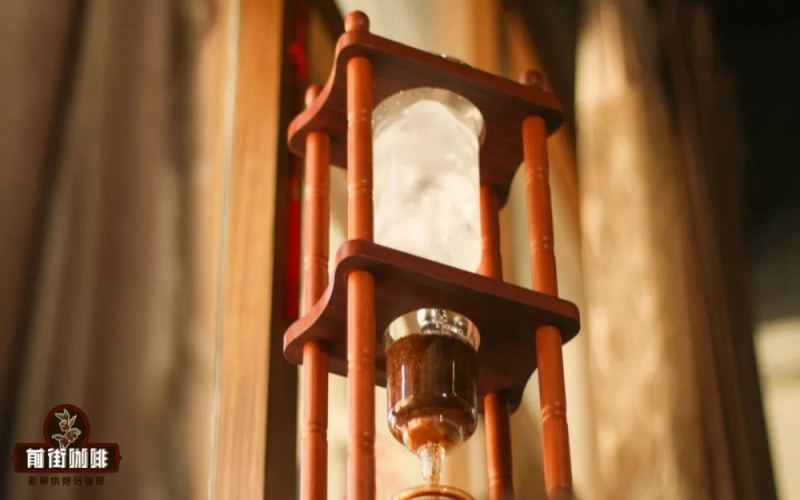
Cold brew coffee is deeply favored by enthusiasts for its rich, wine-like body and refreshing fruity aroma, but recreating the ideal flavor at home requires precise control over bean selection, grinding, ratio, extraction, and aging. This article systematically outlines the 6 core steps for making cold brew coffee, including suitable roast levels and single-origin bean recommendations, coffee grounds coarseness standards, the golden coffee-to-water ratio, techniques to avoid channeling, optimal drip rate settings, and refrigeration fermentation methods for enhancing flavor. The article specifically includes suggestions for several single-origin beans from Front Street Coffee, such as Bird of Paradise, Queen's Estate Brazil, and Honduras Sherry, to help you create a cup of cold brew coffee that combines bright fruity acidity with fermented depth through slow drip filtration and low-temperature aging. [more…]
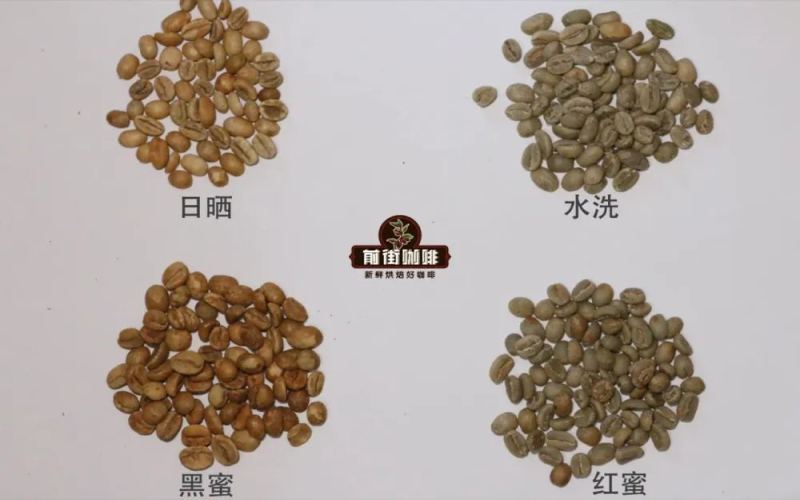
A Complete Guide to the Three Major Coffee Bean Processing Methods: Production Processes and Flavor Differences of Natural, Washed, and Honey Processing
The flavor profile of a cup of coffee is determined not only by variety and roasting, but also decisively by how the green beans are processed. The coffee industry currently groups processing methods into three major categories: natural processing (dry method), washed processing (wet method), and honey processing (semi-dry method). The natural method lets whole coffee cherries dehydrate and dry directly in the sun, giving the beans rich, complex fruity aromas and fermented sweetness; the washed method removes the skin and pulp and involves tank fermentation, producing a clean, bright profile with pronounced acidity; honey processing falls between the two, deliberately retaining some mucilage during drying, creating a distinctive fermented aroma and sweetness. Front Street Coffee will walk through the specific steps, key control points, and flavor outcomes of these three processing methods one by one, helping coffee lovers build a clear framework for understanding processing methods and find the cup that best suits their taste. [more…]

An In-Depth Interpretation of Kenya's 72-Hour Double Washed Process: How K72 Processing Shapes the Tomato and Berry Flavors of Front Street AA Coffee
Kenyan coffee is renowned for its bright acidity and clean mouthfeel, with the K72-hour double washed method being the key to its flavor. This article provides a detailed explanation of this processing method's two fermentation and two washing stages, explaining how fermentation time control affects the coffee's acidity and cleanliness, and introduces the Kenya AA grading standard. At the same time, combined with Front Street Coffee's Kenyan Little Tomato coffee, it provides hot pour-over parameters and flavor descriptions to help readers understand the complete flavor logic from processing method to cup. [more…]
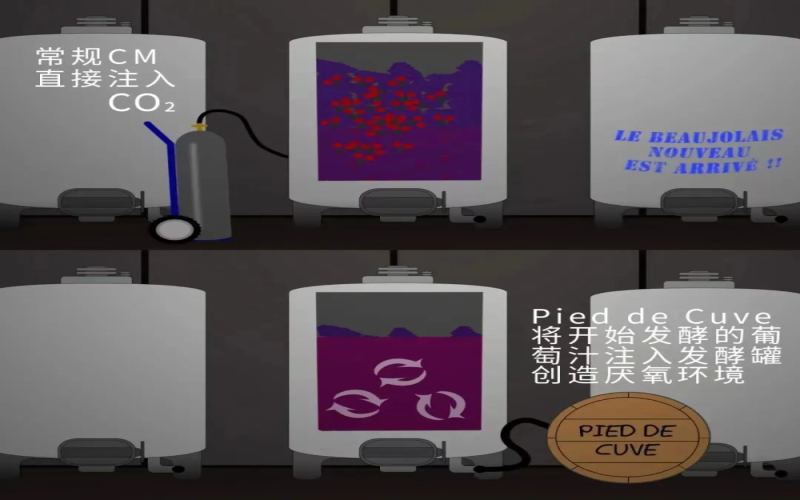
Analysis of Coffee Flavors from Carbonic Maceration: The Wine-Making Process and Operational Flow of CM Processing
Carbonic maceration processing, also known as the CM process, falls under the category of anaerobic processing. In 2015, Sasa won the World Barista Championship with this type of coffee bean, bringing this innovative technique into the public eye. The method was inspired by red wine making, achieving fermentation by injecting carbon dioxide into a sealed stainless steel tank. The CM process has two versions, natural and washed, differing in the material fermented inside the tank. This article provides a detailed analysis of its flavor characteristics, processing flow, and key control parameters, along with related product recommendations from Front Street Coffee. [more…]

Annual Review and Buying Guide of Cold Brew Coffee Maker Brands: A Complete Practical Analysis from Bean Selection to Extraction Details
As a low-temperature slow-extraction beverage, cold brew drip coffee has won increasing favor among coffee enthusiasts in recent years. This article walks through the entire process of making cold brew drip coffee, covering everything from the principles of selecting coffee beans and controlling grind size, to tamping technique, pre-wetting steps, filter paper placement, drip rate and coffee-to-water ratio, and the timing of refrigerated fermentation, explaining each in detail one by one. At the same time, drawing on Front Street Coffee's actual production experience, it shares a variety of single-origin bean recipes and blending ideas suitable for cold brew drip, helping readers make a cup of cold brew drip coffee with a clean flavor and balanced acidity and sweetness at home. [more…]